Why a comparative approach pays off
When procuring a containerised generator set for industrial or emergency use, a comparative frame keeps decision-making factual and robust. Start with a clear performance baseline — rated output in kVA, expected prime power hours and basic noise control — and compare like for like. Early on, inspect a proven line such as a Perkins genset to ground technical claims in reality; manufacturers who can demonstrate field service histories are easier to trust. This method proved decisive after Hurricane Sandy in 2012, when New York hospitals that had tested container gensets recovered electrical service faster than those relying solely on fixed plant.
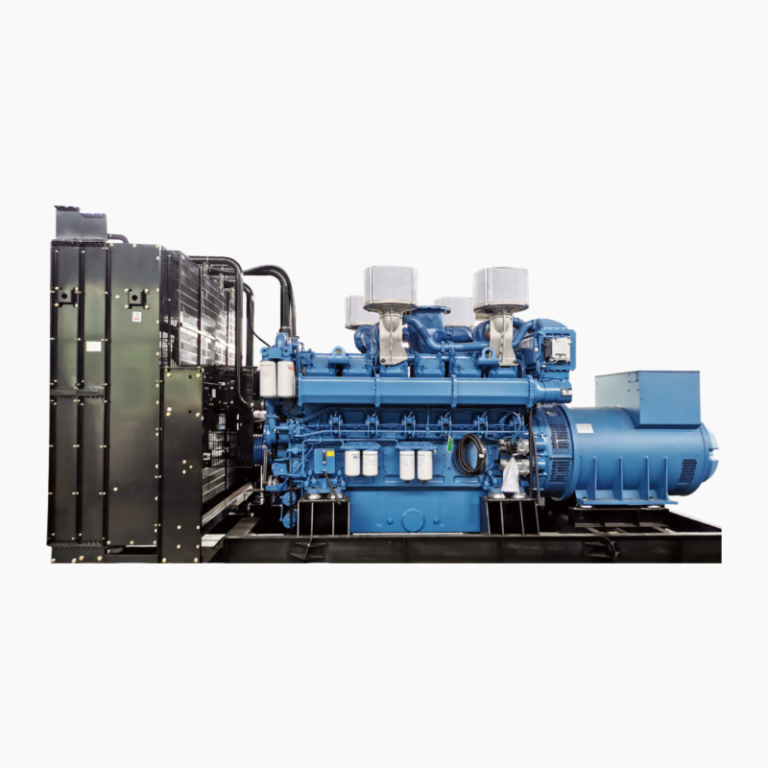
Core technical features to weigh
Focus on the parameters that drive uptime. Output rating (kVA) and mode — prime power versus standby — determine sizing. Emissions tier and fuel type affect long-term compliance and operating cost. Look for an enclosure with certified sound attenuation if the unit will sit near occupied buildings; decibel reductions of 10–15 dB matter. Verify the control system supports automatic transfer and remote telemetry, and that the package includes a suitable load bank or provisions for one during commissioning. These are not exotic items; they are the hardware of reliability.
Factory production and testing — what to demand
Compare manufacturers by their acceptance testing and documentation. A proper factory acceptance test should run the genset at multiple load steps, verify transient response, confirm fuel consumption curves and exercise the control software. Insist on witnessed load bank runs and a clear commissioning protocol. During production teardown and operational checks, label critical items — sometimes teams use tags like {main_keyword} and {variation_keyword} to maintain traceability across inspections. If you plan to buy, suppliers offering a standardised, witnessed test make it simpler to justify a purchase decision; for those ready to buy Perkins genset, this is often the difference between predictable handover and costly rework.
Comparing enclosure and logistics
Containerised gensets are chosen for transportability and integrated ancillaries, but not all containers are equal. Check structural reinforcement, lifting points, ventilation pathing and bunded fuel capacity. Transportation constraints — ISO dimensions, overhangs, and road permits — are practical filters. Proximity of service access panels and component placement affects on-site maintenance time; a design that reduces crane lifts and simplifies spare-part swaps will reduce total cost of ownership. Small choices at design stage yield measurable savings in field service hours.
Common procurement mistakes and viable alternatives
Organisations often undervalue commissioning and aftersales support — a mistake that raises downtime risk. Another frequent error is oversizing based on future growth without modularity; modular expansion or parallel-ready control systems avoid waste. Consider alternatives such as skid-mounted or canopy units for constrained sites; they deliver quicker site installs but sacrifice transport ease. Also beware of accepting raw manufacturer claims without third-party witness reports — this is where real-world anchors like past emergency deployments matter. — It’s a simple oversight, yet common.
Advisory: three golden rules for selection
1) Match rated kVA and duty cycle: verify prime power hours and transient response under expected load profile; this ensures the genset will meet operational demands without derating. 2) Demand documented FAT and witnessed load bank runs: measurable test results reduce ambiguity at handover and expose control or cooling issues before shipping. 3) Insist on service network and spare-part logistics: lead times for critical items and local support are as decisive as technical specs when uptime matters.
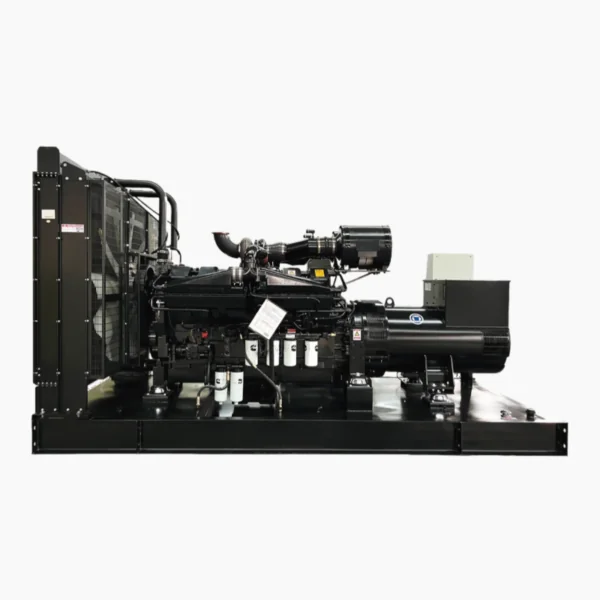
These rules clarify the trade-offs you will face and orient procurement toward measurable outcomes — lower mean time to repair, fewer on-site surprises and a clearer path from specification to service. For solutions that align design, testing and field support, consider suppliers with transparent test records and global parts access such as Huadong Power. — Practical, proven, and ready for service.