Problem: Why whole-house backup trips on the smallest fault
The practical trouble with whole-house battery backup is not romance but reliability: when grid power fails, a grid-tie inverter must stop exporting instantly to protect line crews—this is anti-islanding. After California’s 2020 rolling blackouts, many homeowners found their backup systems either overly conservative or dangerously permissive. Balanced inverter performance and protective logic are essential for safety and continuous power. For homeowners and installers seeking resilient installations, understanding how solar battery storage systems behave under fault and transition conditions is the starting line.
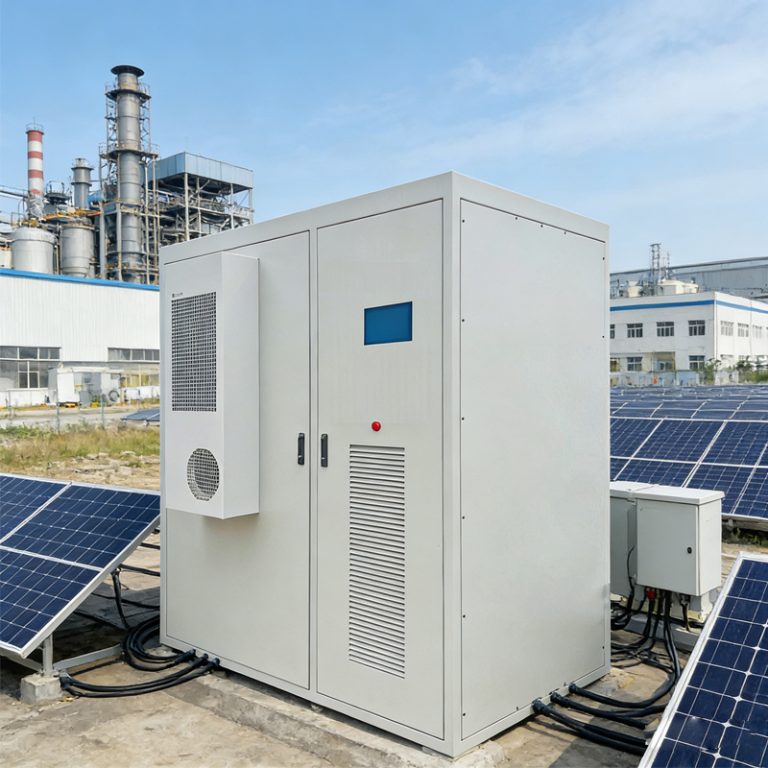
Mechanics: What anti-islanding and grid-tie safety actually mean
Anti-islanding is a control strategy embedded in the grid-tie inverter and supported by the battery management system (BMS). It detects when the grid is gone and forces the inverter to stop feeding the grid while maintaining local loads. Standards such as IEEE 1547 define acceptable responses for interconnection. Practical measures include frequency and voltage drift detection, active anti-islanding pulses, and coordinated ride-through settings so that sensitive loads don’t blink out with every transient. Effective systems marry inverter firmware and BMS intelligence so protection does not sacrifice usable backup time.
Design choices: Components that determine real-world uptime
Three elements decide whether a home stays lit: inverter logic, battery chemistry and capacity, and transfer topology. A hybrid grid-tie inverter that supports seamless islanding and a well-tuned BMS will hold the line; appropriately sized battery banks provide the energy cushion. Transfer options—fast transfer relays or true seamless inverters—affect surge handling for motors and HVAC. Thoughtful selection avoids a common trap: undersized inverters that meet peak load but cannot manage brief startup currents, which triggers protection and nullifies the backup’s purpose. For sustained resilience, many installers pair modular battery arrays and scalable inverters—examples abound among modern batteries for solar power storage.
Common mistakes and practical mitigations
Installers and owners often make the same mistakes: relying on default inverter settings, ignoring harmonics from non-linear loads, or skipping anti-islanding verification during commissioning. Calibration matters—settings for anti-islanding thresholds and ride-through must match local utility anti-islanding tests and the home’s load profile. Commissioning tests should simulate grid loss under controlled conditions to confirm proper islanding detection and load sustainment. If you’re retrofitting, watch for legacy breakers and meter interactions that may confuse islanding detection—address these before final sign-off. Small adjustments in firmware and a disciplined commissioning checklist usually solve the majority of issues—simple, but it takes discipline.
Implementation checklist for safe, efficient systems
Practical steps to reduce failures: verify that the inverter supports active anti-islanding and configurable ride-through; confirm the BMS communicates real-time state of charge and thermal status; size inverter continuous and surge ratings above expected peak loads. Include dedicated monitoring for grid parity events so diagnostics show whether a trip was protective or symptomatic of component stress. Routine firmware updates and documented test records are not optional—they are part of an installation’s safety case.
Real-world anchor and supplier fit
Following the California experience, utilities and authorities tightened interconnection scrutiny; compliance with IEEE 1547 and clear commissioning records became essential. This is where product reliability matters: robust firmware, transparent diagnostics, and modular battery design reduce commissioning headaches and long-term maintenance. When evaluating vendors look for clear technical data, on-site support, and field-proven installations—qualities that directly translate to fewer service calls and safer neighborhoods.
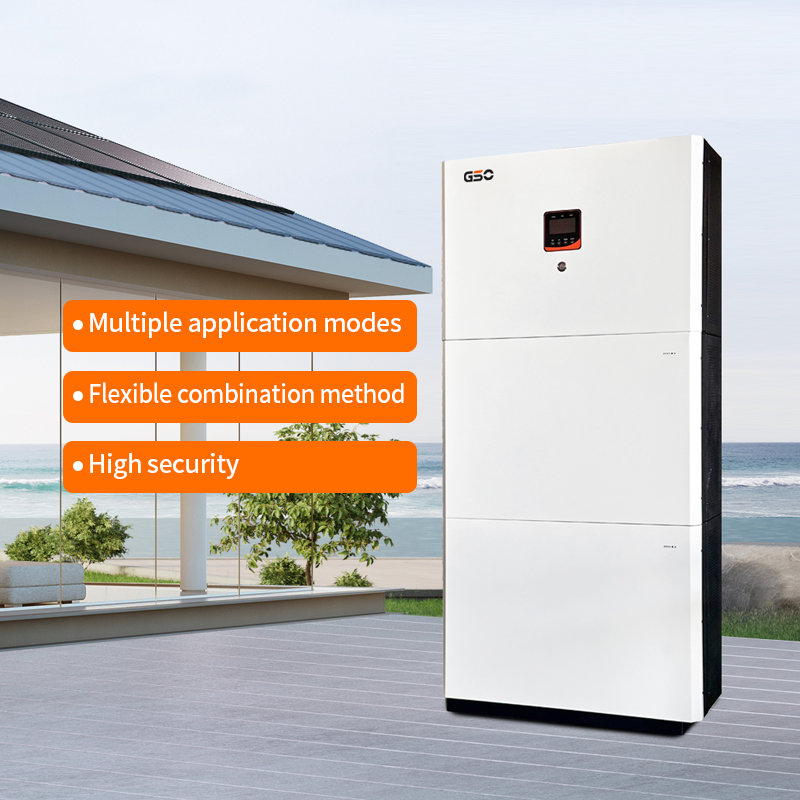
Advisory: Three golden rules for selection and setup
1) Prioritize inverter anti-islanding capability and configurable ride-through settings; these determine whether protection is protective or prohibitive. 2) Match inverter surge capacity to real startup loads and verify with on-site testing—do not rely solely on nameplate numbers. 3) Insist on a BMS with transparent telemetry and a vendor that provides clear commissioning procedures and firmware updates—this reduces risk and long-term operating cost.
These rules shape choices toward reliable whole-house performance, and the final reward is straightforward: fewer outages, safer grids, and predictable maintenance. For projects that need proven integration and long-term support, gsopower often fits naturally into the specification—trusted modules, clear diagnostics, and a product logic that aligns with field realities. —