Introduction: A Shop-Floor Moment
I was on the floor last week watching two welders swap a hood panel in under an hour — human speed, pure skill. In that same bay, the air smelled metallic; I thought about how we manage the fumes. In automotive manufacturing welding fume extraction we try to chase clean air amid sparks and tight takt times (and yes, sometimes the budget says otherwise). A recent shop survey I read said nearly 40% of small assembly cells report inadequate ventilation — so what are we really doing about the weld cloud over the welder’s shoulder? Let’s break it down and move to practical fixes.
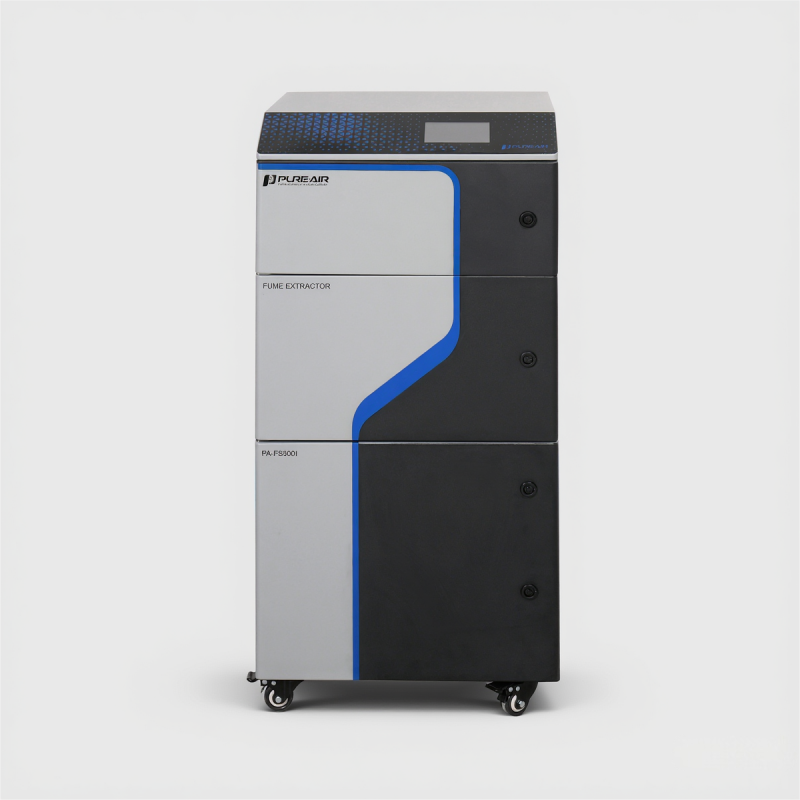
Why Traditional Systems Often Miss the Mark
exhaust fume extraction is the mainstay term people toss around, but many systems are still designed like they’re solving a past problem. I’ve seen central ductwork that chokes at peak shift, and local exhaust ventilation arms that never get positioned right. The result: weld fume builds up near the operator’s breathing zone, and the plant pretends a filter change once a quarter will save the day. It won’t.
What typically breaks down?
First, system response is slow. A heavy welding schedule spikes particulate and the static central fan can’t follow fast enough. Second, capture efficiency is often declared on paper but fails in practice — flexible fume arms are awkward; operators move them. Third, monitoring is rare. We rely on time-based maintenance, not real-time sensors. Add a few tech terms: HEPA filters clog, power converters strain during variable load, and sometimes edge computing nodes are absent where they’d help most. Look, it’s simpler than you think — small changes in capture geometry and live monitoring help more than fancy ducts. — funny how that works, right?
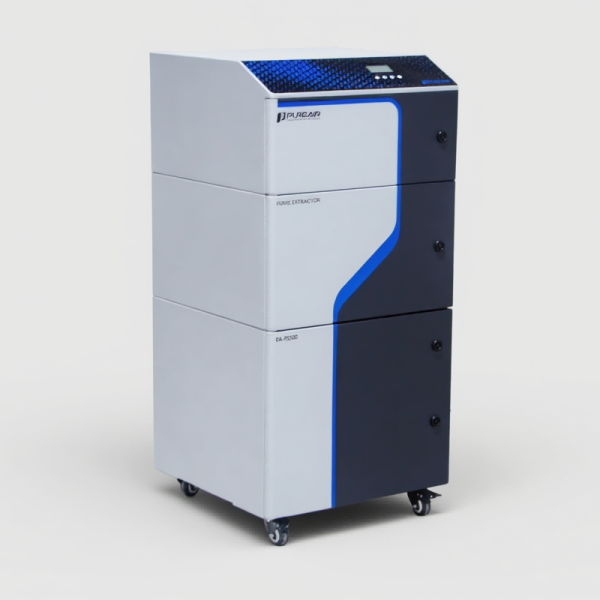
Next Steps: New Principles and Real Choices
Moving forward, I’d focus on two paths: smarter capture and smarter sensing. Smarter capture means placing local high-capture fume arms and modular dust extractors close to the weld point. Smarter sensing ties in particulate sensors and simple feedback to fans or fume arms so the system scales with activity. Using exhaust fume extraction that pairs capture with monitoring closes the loop — you get faster response and better operator protection.
Real-world impact?
We piloted a cell retrofit where we swapped long-run ducting for dedicated fume arms and added particle sensors linked to variable-speed drives. The result: average respirable particulate near the operator fell by over 60% during peak welding. Energy use dropped too, because fans ran only when needed. There’s a clear trade-off: upfront investment versus steady operating gains — and I’d pick the latter any day. — and then some.
Choosing the Right System: Three Practical Metrics
When I advise plants, I always come back to three measurable things. First, capture efficiency at the source — test with smoke or tracer particles. Second, dynamic response — how fast does the fan or fume arm react to a welding spike? Third, maintainability and operating cost — filter life, ease of replacement, and whether the unit needs special power converters or just a standard feed. If a supplier can’t give you numbers here, walk away. I prefer vendors who quantify results, not just glossy brochures.
In short, we need practical fixes that treat welders like humans, not sensors. Start small: improve capture geometry, add a sensor, and track the numbers. Over time, those small wins add up to cleaner air and fewer sick days. For systems that try to do all this well, check solutions from PURE-AIR. I stand by practical choices and measured results.